Industry Trends
2026-09-23
Content
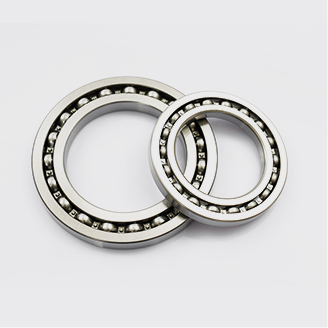
When a newly installed 6200-series deep groove ball bearing runs hot, the first suspect is usually lubricant. In many cases, the real problem is internal clearance. Bearing clearance is not an accidental gap inside the bearing; it is a controlled design value that determines how load is distributed, how much heat the bearing generates, and how much room remains for thermal growth during operation. Choosing the wrong clearance can make a correctly sized bearing fail early, even when the shaft fit, housing fit, steel quality, and lubrication are all correct.
Clearance affects performance in three direct ways: load capacity, operating temperature, and rotating behavior. Engineers who understand these effects can avoid common failures such as seizure, skidding, vibration, and premature fatigue.
Bearing clearance is the amount of internal play between the rolling elements, the inner ring, and the outer ring before mounting. Radial internal clearance is measured perpendicular to the bearing axis and is the value that matters most for radial bearings such as deep groove ball bearings, cylindrical roller bearings, and spherical roller bearings. Axial clearance also exists, but radial clearance gives the clearer picture in most radial applications.
The performance logic is simple: a bearing is not a solid part. It relies on a small internal gap so that the rolling elements can roll smoothly, share load, and allow lubricant to form a film. If that gap disappears under operating conditions, the bearing becomes preloaded. If the gap is too large, the load zone becomes too small and contact stress increases.
Most bearing manufacturers classify radial internal clearance according to ISO 5753-1. The normal clearance class is marked as C0 or Normal. C2 indicates a smaller-than-normal clearance, while C3, C4, and C5 indicate progressively larger clearances. The choice of class is based on the expected shaft and housing fits, temperature difference between the rings, speed, and load condition.
| Clearance class | Clearance level | Typical application |
|---|---|---|
| C2 | Less than Normal | Preloaded arrangements, small electric motors, and machines that need high stiffness or low vibration. |
| Normal (C0) | Standard | General equipment where shaft and housing fits cause only a small reduction in clearance. |
| C3 | Greater than Normal | Electric motors, pumps, and machines with interference fits or a significant temperature gradient. |
| C4 | Greater than C3 | Heavy interference fits, high-temperature environments, and large rotating rolls. |
| C5 | Greater than C4 | Large machinery subject to strong thermal expansion or very heavy press fits. |
Actual clearance values vary by bearing type and bore size, so the table should be read as a directional guide rather than a fixed specification. Always check the clearance table for the specific product series you plan to use.
When a radial load is applied to a bearing, the load is shared only by the rolling elements inside the load zone. A well-formed load zone gives the bearing a stable contact pattern and spreads stress across more components. If the effective clearance is too large, the load zone narrows, fewer balls or rollers carry the load, and each contact point receives a higher stress. Since fatigue life changes sharply with contact stress, a small clearance error can produce a large reduction in service life.
Rolling bearings need clearance to allow for thermal expansion. At higher speeds, the inner ring and rolling elements usually heat up faster than the outer ring. If the starting clearance is too small, expansion presses the rolling elements into the raceways, friction rises, and the bearing can enter a thermal runaway condition. This is why C3 clearance is a frequent choice for electric motor and pump service. On the other hand, too much clearance creates a different risk: under light loads and high speeds, rolling elements can skid rather than roll, which damages the raceways and produces unusual vibration.
Clearance also changes the stiffness of a bearing. A smaller residual clearance leaves a larger number of rolling elements in contact and reduces internal movement, making the bearing more rigid. That is why lower-clearance bearings are often selected for grinding spindles, precision gearboxes, and measuring equipment. The trade-off is heat and sensitivity to mounting errors. Too large a clearance allows the rolling elements to move more freely inside the bearing, which can lead to noise, vibration, and uneven load transfer under variable working conditions.
Catalog clearance values are always given for an unmounted bearing. Once the bearing is pressed onto a shaft, the inner ring expands and part of the radial clearance is used up. A housing interference fit does the same to the outer ring. The formula that matters is straightforward: effective clearance = unmounted clearance - clearance reduction from mounting interference.
A deep groove ball bearing mounted on an m6 shaft loses more clearance than the same bearing mounted on a k6 shaft. Engineers who ignore this can end up with a bearing that runs heavily preloaded, even though the catalog clearance looked normal. In many applications, C3 clearance is selected not because the machine needs a loose bearing, but because the mounting and temperature conditions consume a large portion of the starting clearance.
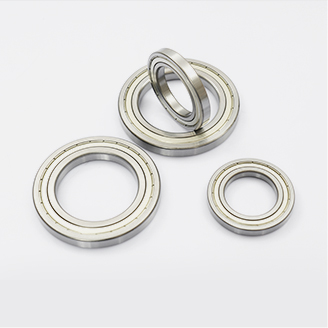
In deep groove ball bearings, clearance is fixed at the factory and cannot be adjusted after mounting. This makes initial selection critical. For general motor, gearbox, and pump work, choosing a 6200-series deep groove ball bearing with a clearance class that matches the shaft fit and operating temperature is a reliable starting point.
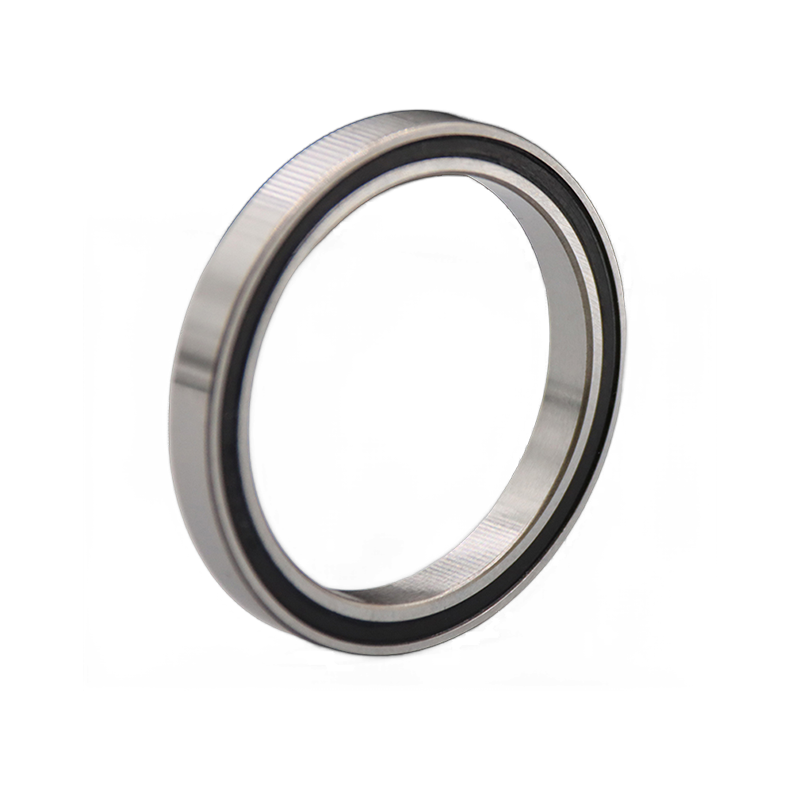 Custom 6200 Series Deep Groove Ball Bearing Manufacturers, FactoryShanghai Yinin Bearing & Transmission Company Is China 6200 Series Deep Groove Ball Bearing Manufacturers and custom 6200 Series Deep G...View Product →
Cylindrical roller bearings have separable rings, which makes their clearance easier to control in the design stage. They are often used when radial stiffness and high load capacity are priorities. The NU200-series cylindrical roller bearings are a common choice for machine tool shafts and reduction gearboxes where accurate running clearance matters.
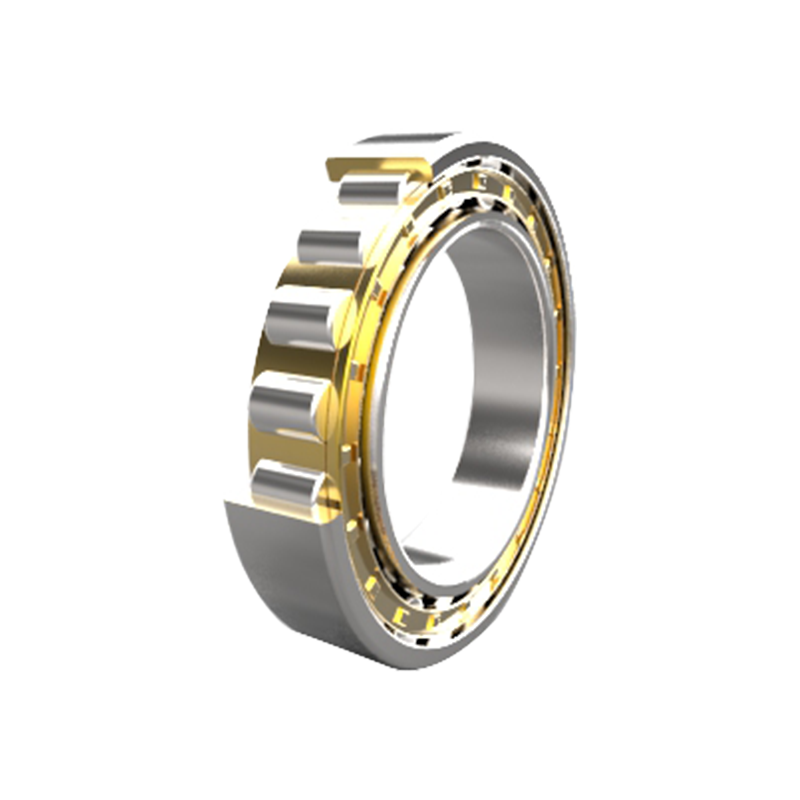 Custom NU200 Series Cylindrical Roller Bearings Manufacturers, FactoryShanghai Yinin Bearing & Transmission Company Is China NU200 Series Cylindrical Roller Bearings Manufacturers and custom NU200 Series Cyl...View Product →
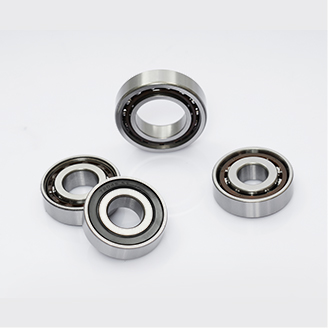
Angular contact ball bearings use a different logic. They carry combined radial and axial loads, so they are often mounted in pairs with a controlled preload instead of a positive clearance. Preload is effectively a negative clearance that increases spindle stiffness and improves positioning accuracy. The 7000-series single-row angular contact ball bearings allow this type of precision arrangement, especially when paired sets are used in high-speed spindles.
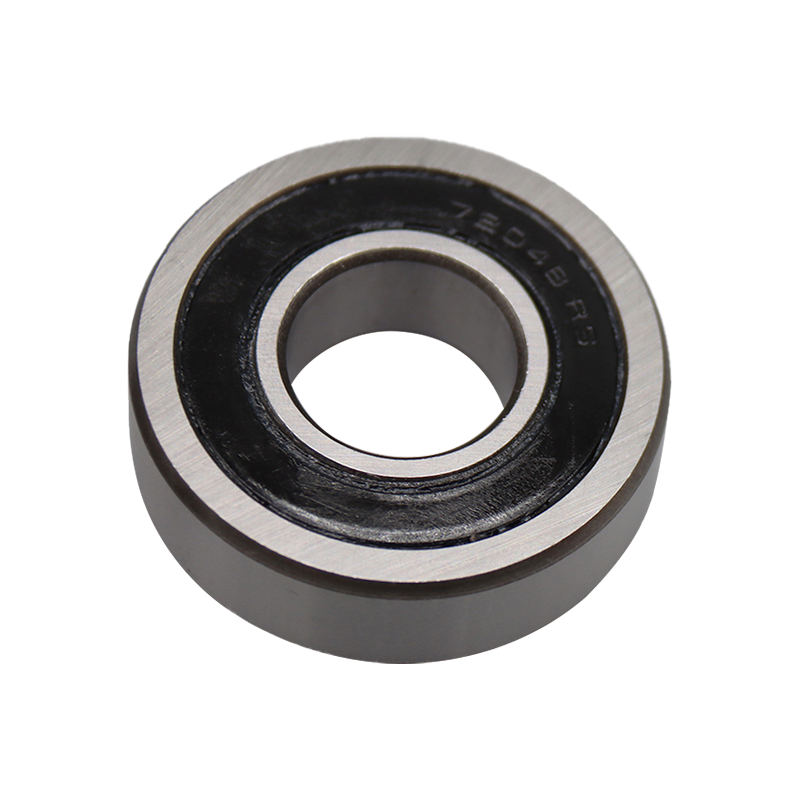 Custom 7000 Series Single Row Angular Contact Ball Bearings Manufacturers, FactoShanghai Yinin Bearing & Transmission Company Is China 7000 Series Single Row Angular Contact Ball Bearings Manufacturers and custom 7000...View Product →
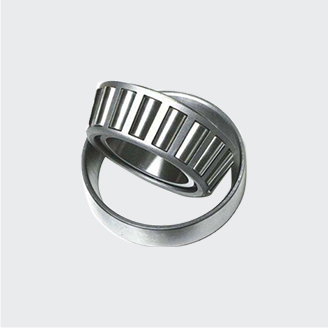
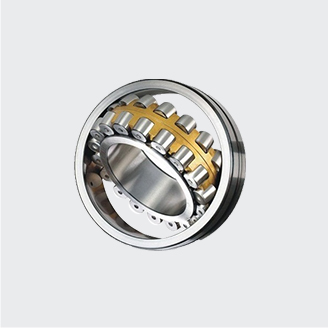
Spherical roller bearings tolerate misalignment and heavy radial loads, but their clearance still needs to be checked when shafts run hot or when the bearing is press-fitted into a rigid housing. Tapered roller bearings are frequently adjusted during installation, with either a small end play or a preload depending on the application. This is particularly important in automotive wheel-end and driveline applications, where correct adjustment has a direct effect on bearing life and running temperature.
C3 is a useful default for many rotating machines, but it is not a universal solution. The correct class depends on the entire mounting system, not just the part number written in the bearing schedule.
Application context changes the meaning of the same clearance class. In food and beverage processing equipment, repeated washdown cycles create rapid temperature swings on the shaft, which affects the running clearance more than a stable room-temperature duty would. Stainless steel deep groove bearings in such lines often require a clearance class that leaves enough room for that expansion.
In construction equipment under shock and impact loads, housing deflection can reduce clearance unevenly. A spherical roller bearing installed in a vibrating screen or crusher should keep enough clearance to accommodate frame flexibility without forcing the rolling elements heavily into the raceways.
Bearing clearance is easy to overlook in the catalog, but it is a core performance parameter. It controls how many rolling elements carry the load, how much heat the bearing generates, how stiff the rotating system feels, and whether the bearing can survive its own thermal growth. A bearing with the wrong clearance can fail prematurely even when the steel, lubricant, and fits are all correct. Proper clearance selection is not a guarantee of long life, but it is a necessary condition for achieving it.
Our provided products
Contact Us
Tel: +86-13916786238
Fax: +86-21-68551629
Email: [email protected]
Add: HuangXu Industrial Area, DanTu, ZhenJiang city, JiangSu Province, China
Industries


 English
 日本語
日本語
 Français
 Español