Industry Trends
2026-03-12
Content
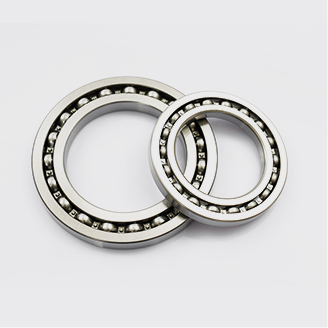
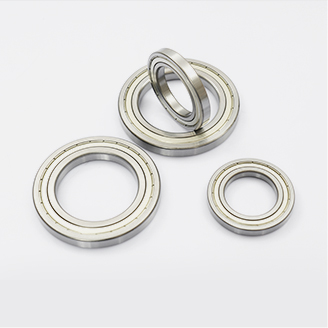
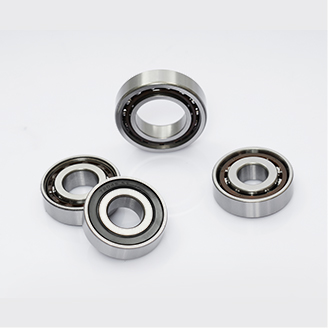
In the high-stakes environment of food and beverage manufacturing, mechanical reliability and biological safety are inseparable. The choice of stainless steel deep groove ball bearings is a critical engineering decision that impacts the prevention of food contamination and the reduction of machine downtime. Shanghai Yinin Bearing & Transmission Company, established in 1999, has evolved into an industry and trade integrated enterprise comprising Shanghai Yinin Bearing Co., Ltd. and Jiangsu Dahua Bearing Manufacturing Co., Ltd. With a dedicated team of 80 employees and 12 senior technicians, we specialize in high-end stainless steel deep groove ball bearings, spindle bearings, and motor bearings. This article provides a professional analysis of food grade stainless steel bearings properties and explains why stainless steel vs chrome steel bearings for food plants is a fundamental safety consideration.
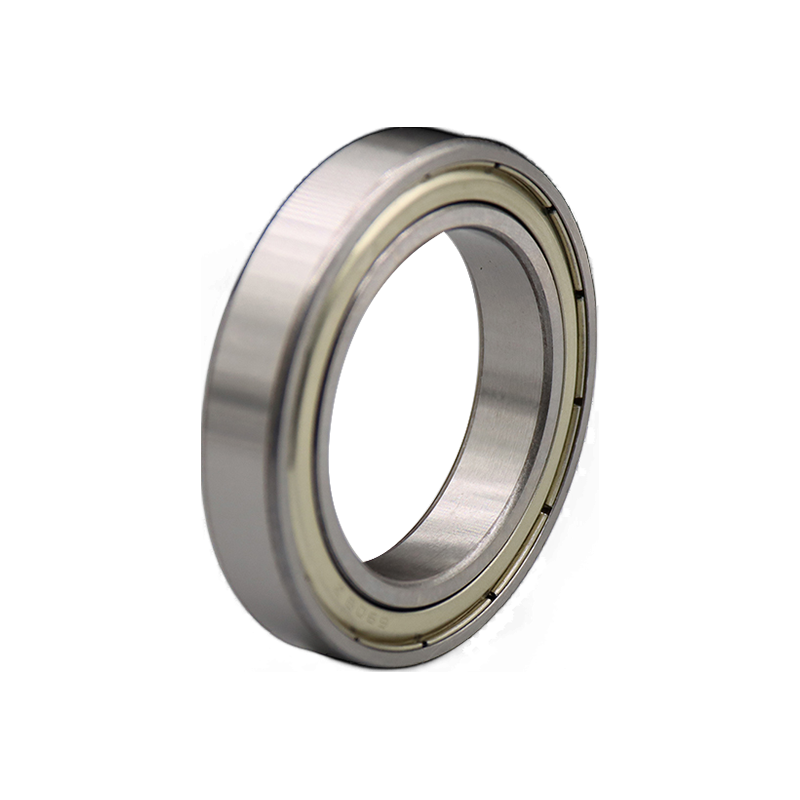
Food processing involves frequent "washdowns" using high-pressure water and caustic cleaning agents. Standard chrome steel bearings fail rapidly in these conditions due to oxidation. Stainless steel deep groove ball bearings, particularly those made from AISI 304 or 440C, offer a passive chromium oxide layer that prevents rust. However, in highly acidic or saline environments, AISI 316 stainless steel bearings for food industry use are preferred because they contain molybdenum, which provides superior resistance to chloride-induced pitting. When comparing 440C vs 304 stainless steel bearings, the 440C variant provides higher hardness and load capacity, whereas 304 offers better chemical stability. Utilizing corrosion resistant ball bearings for washdown environments ensures that no rust particles contaminate the food production line.
| Material Property | Chrome Steel (GCr15) | Stainless Steel (AISI 440C/304) |
| Corrosion Resistance | Poor (Oxidizes instantly) | High (Passive oxide layer) |
| Chemical Tolerance | Low (Degrades in pH < 5 or > 9) | Excellent (Resistant to caustic cleaners) |
| Hygienic Safety | Low (Risk of flaking) | High (Inert and stable) |
One of the most overlooked aspects of bearing safety is the lubricant. How to choose food grade bearing grease is an essential skill for maintenance engineers. Standard industrial greases contain toxic thickeners that pose a severe health risk if leakage occurs. Food grade lubricant for stainless steel bearings must comply with NSF H1 standards, meaning the grease is safe for incidental food contact. Furthermore, sealing options for food grade ball bearings must be robust. High-performance waterproof stainless steel ball bearings utilize nitrile (NBR) or fluorocarbon (FKM) rubber seals to keep moisture out and lubricant in. This deep groove ball bearing sealing for moisture protection prevents the washout of grease during cleaning cycles, extending the stainless steel deep groove ball bearings lifecycle.
| Feature | Standard Industrial Bearing | Food-Grade Stainless Steel Bearing |
| Grease Type | Lithium/Mineral Oil (Toxic) | Synthetic/Aluminium Complex (NSF H1) |
| Seal Material | Standard Rubber/Shields | Food-Safe NBR or Viton Seals |
| Maintenance Benefit | High risk of contamination | Leak-safe and washdown-ready |
Food processing machines, such as ovens or freezers, subject bearings to extreme thermal cycles. Maintaining stainless steel bearings in food production requires understanding thermal expansion coefficients. High temperature stainless steel bearings for ovens are heat-stabilized to prevent dimensional changes that could lead to seizure. While stainless steel has a lower load rating than chrome steel, the durability of stainless steel bearings in meat processing is superior because the material does not become brittle or pit due to organic fats and blood. Shanghai Yinin Bearing's technical team ensures that our customized non-standard high-end bearings are optimized for these specific torque and temperature demands.
In conclusion, food grade stainless steel bearings properties provide the only viable solution for modern food safety compliance. By selecting stainless steel deep groove ball bearings with proper sealing and NSF-certified lubrication, manufacturers protect their consumers and their equipment. Shanghai Yinin Bearing & Transmission Company continues to take quality as the basis and technology as the foundation, providing the highest quality bearings to the global market. Our integrated design and production capabilities ensure that we meet the rigorous food grade bearing safety standards required in today's industry.
Yes. Chrome steel will rust quickly when exposed to moisture or cleaning chemicals, whereas stainless steel deep groove ball bearings are designed to resist corrosion and prevent contamination.
Proper lubrication. Always use food grade lubricant for stainless steel bearings that is NSF H1 certified to ensure safety in case of incidental contact with food products.
Yes, but you must specify high temperature stainless steel bearings for ovens, which use specialized internal clearances and high-temperature food-grade grease to handle the heat without failing.
Look for a grease with high water-washout resistance and calcium or aluminum complex thickeners, which are typically found in waterproof stainless steel ball bearings.
Use 316 stainless steel in environments with high salt content (like seafood processing) or high acidity, as it offers the best chemical resistance among the common stainless steel grades.
Our provided products
Contact Us
Tel: +86-13916786238
Fax: +86-21-68551629
Email: [email protected]
Add: HuangXu Industrial Area, DanTu, ZhenJiang city, JiangSu Province, China
Industries


 English
 日本語
日本語
 Français
 Español