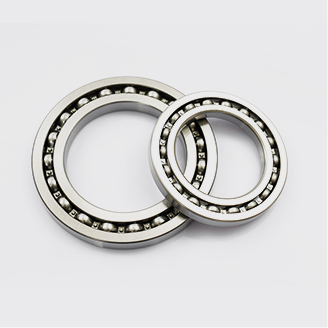
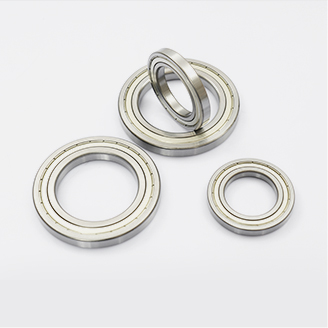
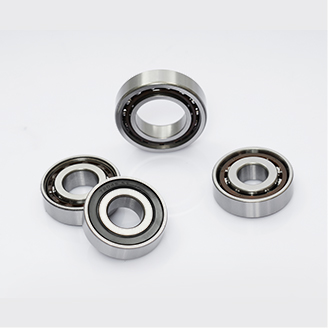
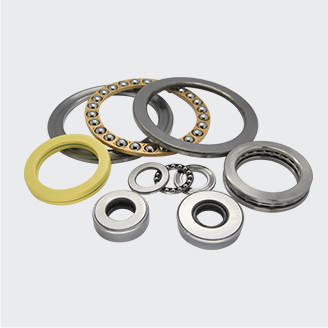
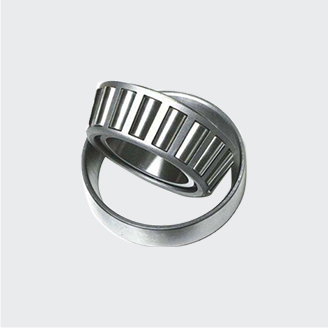
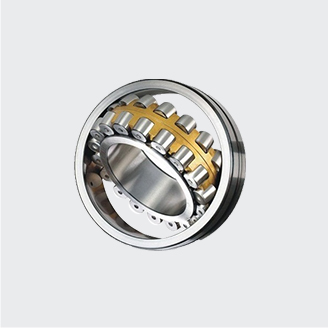
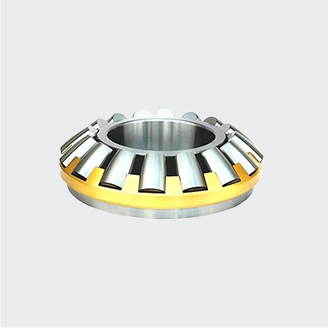
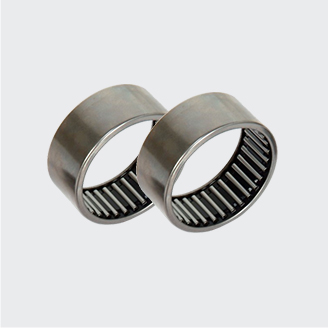
Shanghai Yinin Bearing & Transmission Company, established as an industry and trade integrated enterprise since 2016, specializes in the comprehensive design and manufacturing of high-end rotational components. With a history tracing back to 1999 and a dedicated technical team of 12 specialists, we operate through Shanghai Yinin Bearing Co., Ltd. and Jiangsu Dahua Bearing Manufacturing Co., Ltd. Our facility focuses on the production of stainless steel deep groove ball bearings, motor bearings, and non-standard high-end customized solutions, prioritizing metallurgical precision and rigorous quality control to meet the demands of global industrial environments.
Metallurgical Selection and Corrosion Resistance Parameters
- 1. Material Grade Analysis: To combat premature failure, selecting the correct alloy is the first technical hurdle. Why AISI 440C stainless steel is preferred for bearings lies in its high carbon content, which allows for heat treatment to a hardness of HRC 58-62, providing the necessary fatigue resistance while maintaining passive chromium oxide layers.
- 2. Surface Passivation Protocols: For extreme humidity, passivation of stainless steel bearings for food grade environments is critical. This chemical process removes free iron from the raceway surface, significantly reducing the initiation points for pitting corrosion.
- 3. Load Rating vs. Material Hardness: While AISI 304 or 316 offer superior chemical resistance, they lack the hardness required for high-speed loads. Identifying the stainless steel deep groove ball bearings load capacity vs 52100 steel helps engineers account for the typical 20% reduction in dynamic load ratings when switching to stainless alloys.
Lubrication Rheology and Sealing Technology in Harsh Environments
- 1. Synthetic Grease Stability: In washdown or high-heat zones, high temperature grease for stainless steel bearings must be specified with a NLGI 2 or 3 consistency. This ensures the lubricant maintains a minimum oil film thickness (lambda ratio > 1.5) to prevent metal-to-metal contact during boundary lubrication phases.
- 2. Non-Contact vs. Contact Seals: To protect the internal raceway, standard 2RS vs ZZ seals for stainless bearings should be evaluated based on the contamination level. For particulate-heavy environments, nitrile rubber (NBR) or Viton contact seals provide superior exclusion compared to metal shields.
- 3. Water Washout Resistance: In pharmaceutical or food processing, preventing water washout in stainless ball bearings requires specialty calcium-sulfonate or polyurea-based thickeners that do not emulsify when exposed to pressurized cleaning fluids.
Technical Performance Matrix: Standard vs. Enhanced Life Bearings
The following table compares the typical degradation factors between standard industrial bearings and those optimized with Yinin's technical specifications for harsh conditions.
| Performance Metric |
Standard Carbon Steel |
Yinin Stainless Optimized |
| Corrosion Resistance (Salt Spray Test) |
< 12 Hours |
> 96 Hours |
| Operating Temperature Range |
-20°C to +120°C |
-40°C to +250°C (with Spec. Grease) |
| Vibration Level (ISO 15242) |
V1/Z1 |
V3/Z3 (Low Noise) |
| Surface Finish (Ra) |
0.08 - 0.12 micrometers |
< 0.05 micrometers |
Mechanical Integrity and Installation Precision
- 1. Internal Clearance Calibration: Selecting the correct C3 vs C0 radial internal clearance for stainless bearings is vital for applications subject to thermal expansion. A C3 clearance provides the necessary buffer to prevent internal loading as the shaft temperature rises.
- 2. Fit and Tolerance Management: Over-interference during mounting is a primary cause of reduced life. Calculating shaft and housing fits for stainless steel bearings must account for the slightly different coefficient of thermal expansion compared to standard chrome steel to prevent raceway distortion.
- 3. Vibration and Noise Diagnostics: Utilizing ultrasonic vibration analysis for bearing failure prediction allows maintenance teams to detect cage instability or raceway spalling in its infancy, enabling planned replacement rather than catastrophic failure.
- 4. Customized Internal Geometry: For non-standard high-end applications, optimizing raceway curvature for deep groove bearings can redistribute contact stress, effectively increasing the fatigue life by up to 15% in oscillating load scenarios.
Advanced Protection and Maintenance Protocols
- 1. Galvanic Corrosion Prevention: When mounting stainless bearings in aluminum housings, preventing galvanic corrosion in stainless bearing assemblies involves the use of specialized anti-seize compounds or non-conductive coatings to interrupt the electrolytic circuit.
- 2. Cleaning and Re-lubrication Cycles: For open-type bearings, how to clean stainless steel bearings without damaging raceways involves using non-acidic solvents followed by immediate re-lubrication to preserve the passive film.
Engineering FAQ
- Can AISI 440C stainless steel bearings be detected by magnets? Yes, AISI 440C is a martensitic stainless steel and is magnetic. This is necessary for high-hardness bearing applications, unlike 300-series austenitic steels.
- What is the maximum RPM limit for 2RS stainless steel bearings? The RPM limit is primarily restricted by the seal's friction. Typically, 2RS contact seals reduce the limiting speed by approximately 30% compared to open or ZZ types.
- Is stainless steel harder than chrome steel (GCR15)? No, standard GCR15 (52100) chrome steel is typically harder (HRC 60-64) than AISI 440C stainless steel, which is why load ratings for stainless are slightly lower.
- Does Yinin provide food-grade certified lubrication? Yes, we offer NSF H1 certified greases for all stainless steel bearings used in food and beverage processing.
- What causes "pitting" in stainless steel bearings? Pitting is usually caused by localized electrochemical attack when the chromium oxide layer is breached by chlorides or if the grease has been contaminated by water.
Technical References
- ISO 15: Rolling bearings — Radial bearings — Boundary dimensions, general plan.
- ASTM A276: Standard Specification for Stainless Steel Bars and Shapes.
- ISO 15242: Rolling bearings — Measuring methods for vibration.


 English
 日本語
日本語
 Français
 Español